
The management of groin hernia is today based on well-established international guidelines, published by the HerniaSurge group in 2018 and updated in 2023. The Société Française de Chirurgie Pariétale (SFCP-CH) fully endorses them.
These guidelines are clear: repair with mesh is indicated for the majority of inguinal hernias in adults, because it is the technique that most reduces the risk of recurrence. The laparoscopic approach, whether TEP or TAPP, is particularly recommended for bilateral hernias, recurrences after open surgery, and when a quick return to activities is desired. It leads to less post-operative pain and a faster recovery, provided it is performed by a surgeon who is trained and experienced in the technique.
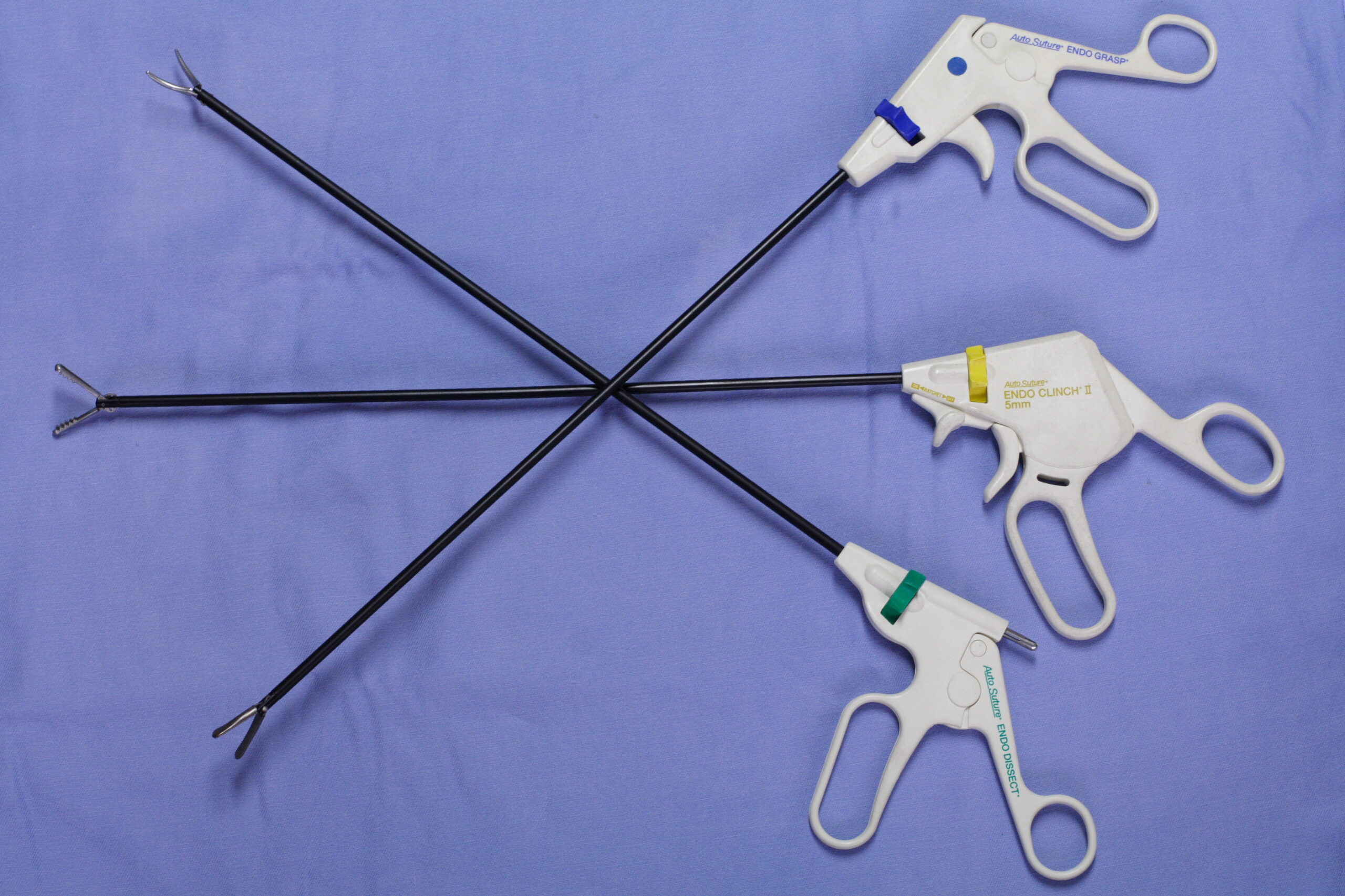
I personally perform TEP, short for “totally extraperitoneal”: the mesh is placed behind the muscles of the abdominal wall, without entering the abdominal cavity. Where necessary, this approach makes it possible to treat both sides through the same small incisions.
No surgery is without risk, and chronic post-operative pain, although rare, is one of those risks. Its prevention relies on a dissection that respects the nerves and on minimal, or even no, fixation of the mesh. We systematically discuss this during the consultation.
For patients who do not want mesh, suture repair techniques exist and can be offered: I describe their principles in detail in another article, Having hernia surgery without mesh.
Dr Grégoire Deroide
Going further
To find out more about the technique of laparoscopic hernia repair (TEP) and the other approaches offered, see the dedicated page: Hernia surgery.
See also: Hernia mesh: the learned societies’ clarification · The TEP technique on video

