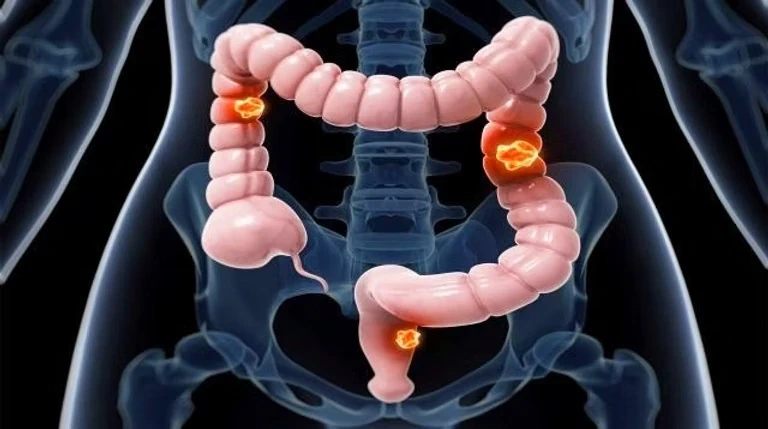
This surgery involves the resection of all or part of the large bowel: right colon, transverse colon, left colon, sigmoid colon and/or rectum.
The indications are strictly defined:
- Cancer of the colon and rectum.
- Symptomatic diverticular disease of the colon
- Inflammatory diseases of the colon and rectum
- Rectal prolapse
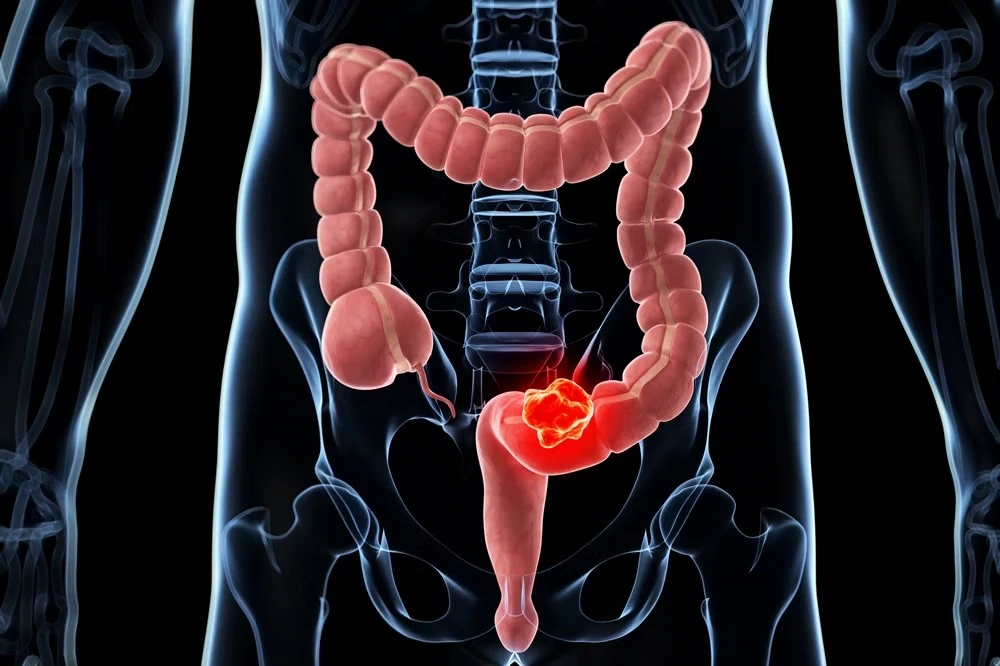
In some cases, the join, or anastomosis, is not possible and a colostomy has to be created; this is also called a stoma, or even a “bag”.
The colostomy is often temporary but may, exceptionally, be permanent in some cases:
Sacrifice of the anus for very low cancerous lesions of the rectum that reach the anus.
Performing the anastomosis during the same operation is risky. Healing conditions are judged unfavourable (obstruction, infection with an abscess or peritonitis, etc.). A temporary colostomy is therefore created for two to three months.
They are uncommon. Blood loss is usually limited, although anaemia may sometimes require a transfusion or prior preparation with EPO and an iron-rich diet. The main risk remains failure of the anastomosis to heal, known as an anastomotic leak, a potentially serious complication that may lead to a further operation. In addition, there are the complications common to any abdominal surgery: wound abscess, lung or urinary infections, cardiovascular complications. In the immediate post-operative period, colonic resection may lead to more frequent bowel movements and faster transit; these effects are most often temporary and easily corrected with appropriate medical treatment.