
Gallbladder surgery
Every year in France, around 90,000 people undergo a cholecystectomy, or removal of the gallbladder.
In 90% of cases, the operation is performed by laparoscopy in less than an hour, without any particular problems.
Indications
This operation is mainly indicated for symptomatic gallstones causing painful symptoms (biliary colic).
The presence of one or more stones in the gallbladder can lead to cholecystitis (inflammation of the gallbladder), gallbladder empyema (purulent infection), gallstone migration (acute pain caused by a stone moving into the common bile duct, which carries bile to the intestine), jaundice with fever (cholangitis) or acute pancreatitis (inflammation of the pancreas).
While 10 to 15% of the French population have gallstones, in 80% of cases the condition remains asymptomatic and does not justify surgery. However, in the remaining 20% of cases, the gallstones cause biliary pain (typical biliary colic) or complications, and surgery is therefore indicated.
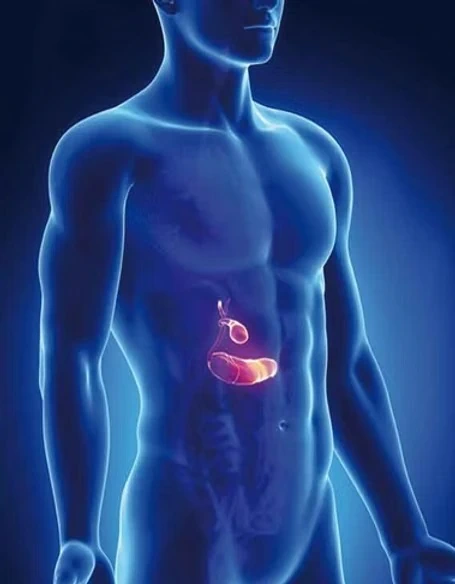
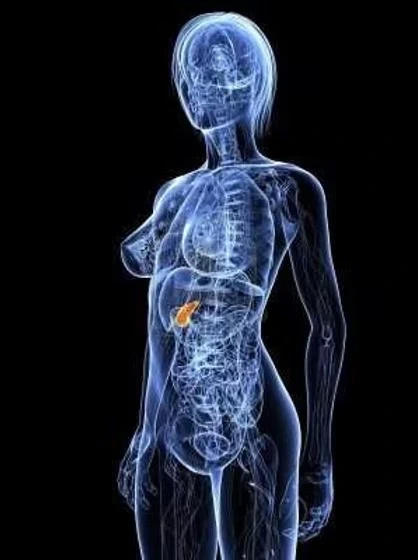
Surgical techniques
Laparoscopy (video-assisted surgery) or laparotomy (open surgery).
Today, the laparoscopic approach has become the standard technique in around 90% of cases, compared with laparotomy (open surgery).
Laparotomy, which involves a larger incision in the abdomen, takes an equivalent length of time.
While the laparoscopic approach makes it possible to shorten the hospital stay and reduce post-operative pain, and allows the patient to resume activities early, there are particular circumstances in which this technique cannot be considered.
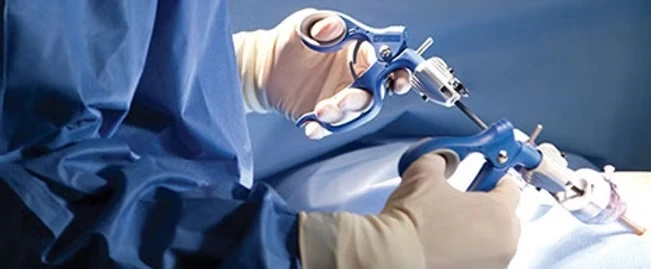
The technique: video-assisted surgery or laparoscopy
This technique involves entering and viewing the abdominal cavity using an optical camera inserted into the abdomen through a small incision. The surgeon views the images on a video screen.
Other small incisions in the abdomen are used to insert the surgical instruments.
In general, patients can be discharged two days later.